Signs of Black Mold Behind Your Walls You Should Not Ignore
Musty odors, warped drywall, and unexplained allergies are the top signs of black mold behind walls in PACOIMA. Here is how to confirm it and what to do next.
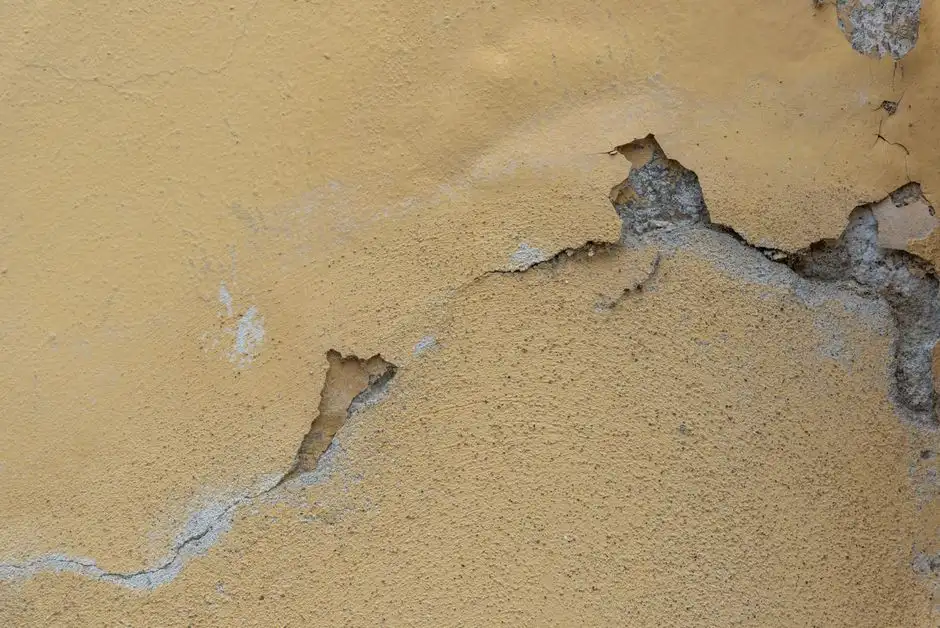
The signs of black mold behind walls in PACOIMA, California, are a musty odor that never goes away, warped or bubbling drywall, and allergy symptoms that flare up only when you are home. If you notice any of those three, the mold colony is almost certainly already growing on the back side of your drywall. This guide covers the hidden black mold signs PACOIMA California homeowners miss, how to check for black mold behind drywall without tearing your house apart, and when it is time to bring in a professional.
We have walked through hundreds of homes in the northeast San Fernando Valley, and the pattern is always the same. The mold is not on the wall you are staring at. It is on the wall behind the one you are staring at.
What Are the First Signs of Black Mold Behind Walls in PACOIMA?
The first sign of black mold behind walls in PACOIMA is a persistent musty, earthy smell that gets stronger in one specific room, especially after it rains or after you run the shower. That smell is microbial volatile organic compounds off-gassing from a colony you cannot see yet. By the time you smell it, the mold has usually been growing for two to three weeks.
Here is the short list of what we find first on inspections:
- Musty odor that lingers even after you clean and ventilate.
- Warped, bubbling, or soft drywall - press it with your thumb. If it gives, moisture is behind it.
- Paint or wallpaper peeling away from the wall in one concentrated area.
- Dark staining near baseboards, outlets, or ceiling corners.
- Visible black speckling along the seam where wall meets ceiling.
Any one of those alone is worth investigating. Two or more together means you should stop guessing and get the wall checked.
Why PACOIMA Homes Are Prone to Hidden Black Mold
PACOIMA sits in a basin where summer temperatures routinely hit 105°F and winter rain dumps two to three inches in a single storm. That swing is brutal on stucco-and-drywall construction, which is what most of the housing stock here is built from. Stucco cracks, water gets in, and the paper facing on the back of your drywall becomes a food source.
Three local factors drive most of the hidden black mold in PACOIMA California:
- Aging plumbing. Galvanized and early copper lines in 1950s-1970s ranch homes develop pinhole leaks inside the wall cavity. You never see the water. You just smell it three weeks later.
- Flat and low-slope roofs. Common on mid-century homes here. One failed flashing detail and water tracks down the inside of the wall for months.
- Evaporative cooler residue. Swamp coolers push moisture into attic and wall assemblies all summer. If the unit is not maintained, that moisture stays.
We see the same pattern in neighboring mold inspection PACOIMA calls week after week, and it is not a coincidence. The climate and the building stock here create the conditions. If you want to understand the full scope of what we check, our Mold Remediation Service page walks through the process from first call to clearance testing.
How to Tell If Black Mold Is Behind Your Wall in PACOIMA California
You can confirm hidden black mold behind drywall in PACOIMA California in about 15 minutes with three non-destructive checks. None of them require cutting into the wall.
The smell test
Close the door and windows in the suspect room for 30 minutes. Walk in and breathe through your nose. A musty, wet-cardboard smell that hits you at the doorway is the single most reliable indicator. If the smell disappears when you leave the room, the source is in that room.
The moisture test
Buy a $25 pinless moisture meter. Hold it flat against the wall at three heights - 6 inches, 3 feet, and 5 feet off the floor. Anything reading above 16% moisture content is a problem. Above 20% and mold is actively growing. Write the numbers down. You will want them for the inspector.
The thermal check
On a cool morning, run your hand along the wall. A cold patch that does not match the rest of the wall means water is evaporating behind it. That is the leak path. Mark it with painter's tape.
If all three checks point to the same spot, you have a confirmed moisture problem. Whether the colony is Stachybotrys (the actual "black mold") or another species, the fix is the same: find the water, stop it, and remove the contaminated material. A mold testing PACOIMA visit confirms the species and the spore count so you know exactly what you are dealing with.
Black Mold Behind Walls Symptoms PACOIMA Residents Report
Black mold behind walls symptoms PACOIMA residents describe most often are not dramatic. They are the slow, nagging kind - the ones you blame on allergies or the weather.
What we hear on the phone:
- Stuffy nose or sinus pressure that clears up when you leave the house for a few days.
- Dry, hacking cough that is worse at night in one specific bedroom.
- Itchy, watery eyes that do not respond to normal allergy medication.
- Headaches that come on 20-30 minutes after entering a room.
- Skin irritation or rashes on arms and neck.
- For people with asthma, more frequent inhaler use.
If two or more people in the house report the same symptoms in the same room, that is not a cold. That is an environmental trigger. Children, elderly family members, and anyone with a respiratory condition are hit hardest. If you want the full clinical picture of what toxic black mold signs PACOIMA homeowners should watch for, we cover it in detail on our black mold inspection PACOIMA page.
Is Black Mold Behind Walls Dangerous in PACOIMA?
Yes, black mold behind walls is dangerous in PACOIMA when it is actively releasing spores into your living space. The danger is not from touching the wall - it is from breathing the air. A colony the size of a dinner plate can release millions of spores per day into a closed room.
Three specific risks matter:
- Respiratory irritation. Spores and mycotoxins inflame airways. For someone with asthma, this can trigger an attack.
- Structural damage. Mold digests the paper backing on drywall and the cellulose in wood framing. A leak left for six months can soften a load-bearing stud.
- Resale and disclosure problems. California requires sellers to disclose known mold. Undisclosed mold found during a buyer's inspection can kill a sale or cost you thousands in credits.
We are not doctors and we do not diagnose. But we can tell you what the air in your house contains. A air quality and mold testing PACOIMA test gives you spore counts inside and outside your home so you can see the ratio. If indoor counts are higher than outdoor counts, the mold is coming from inside your walls.
Common Mistakes Homeowners Make with Hidden Black Mold
The biggest mistake we see is painting over the stain. Paint does not kill mold. It seals the moisture in, feeds the colony, and by the time the paint bubbles you have three times the damage you started with.
Other mistakes that cost PACOIMA homeowners real money:
- Bleaching the surface. Household bleach kills mold on non-porous surfaces. On drywall, the mold roots are inside the paper. Bleach does nothing to them.
- Running a fan on the wet area. That spreads spores to every room in the house.
- Cutting out the drywall and stopping there. If you do not find and fix the water source, the mold comes back in 30-60 days.
- Assuming renters' insurance covers it. Most policies exclude mold unless it is tied to a covered peril. Read the policy before you assume.
- Waiting until spring. Mold does not go dormant in PACOIMA winters. Indoor heating dries the air but the colony behind the wall keeps growing as long as moisture is present.
If you have already made one of these mistakes, do not panic. The damage is fixable. What matters is stopping the water and removing the contaminated material before it spreads further.
When to Call a Professional for Black Mold Behind Walls
Call a professional when the mold covers more than 10 square feet, when you cannot find the water source, or when anyone in the house is getting sick. Those are the three triggers. Anything smaller and you can often handle it yourself with proper PPE and a containment setup.
Here is what we do when we get the call. We arrive, we run a moisture map of the affected wall, and we use thermal imaging to trace the leak path. Then we set up negative air containment so spores do not spread to the rest of your house. We remove the contaminated drywall, treat the framing, and run an air scrubber with a HEPA filter. Finally, we do clearance testing to prove the spore count is back to normal before we close the wall.
Most residential jobs in PACOIMA run $1,200 to $3,500 in 2026, depending on square footage and how far the moisture traveled. If you want to know what to expect before we arrive, our mold remediation near me PACOIMA page breaks down the process step by step.
If you are in Arleta, Sun Valley, San Fernando, or anywhere along the 5 and 170 corridors, you are in our regular service area. We also work with property managers and landlords who need documentation for tenant disputes or insurance claims.
Frequently Asked Questions
What are the signs of black mold behind walls in PACOIMA?
The top signs are a musty odor that lingers in one room, warped or soft drywall, peeling paint, dark staining near baseboards, and allergy symptoms that flare up only at home. If you notice two or more, get the wall tested. Most colonies are 2-3 weeks old by the time you smell them.
How do I check for black mold behind drywall in PACOIMA California?
Use a pinless moisture meter ($25-$40) to check for readings above 16%. Run your hand along the wall on a cool morning to find cold patches. Close the room for 30 minutes and smell for musty odors. If all three point to the same spot, call for professional testing.
Is black mold behind walls dangerous in PACOIMA?
Yes, when spores are actively releasing into your living space. A dinner-plate-sized colony can release millions of spores daily. Risks include respiratory irritation, asthma attacks, structural damage to framing, and mandatory disclosure issues when you sell. Children and elderly residents are most vulnerable.
Who should I call for black mold behind walls in PACOIMA California?
Call a licensed mold remediation company that does both inspection and removal. In PACOIMA, Mold Remediation Service Pacoima handles moisture mapping, containment, removal, and clearance testing. We can usually be on site within 24 hours for active leaks.
Can I just paint over black mold on the wall?
No. Paint seals moisture in and feeds the colony. The mold will push through the paint within 30-60 days, and by then the damage is worse. You have to remove the contaminated drywall, treat the framing, and fix the water source before any paint goes back on.
Get Help with Mold Remediation Service in PACOIMA
If you have smelled that musty odor, seen the warped drywall, or had one too many mornings waking up congested, do not wait for it to get worse. Mold grows 24 hours a day as long as moisture is present. Call Mold Remediation Service Pacoima at (833) 929-5837 and we will schedule an inspection, confirm what is behind your walls, and give you a clear plan to get rid of it.